

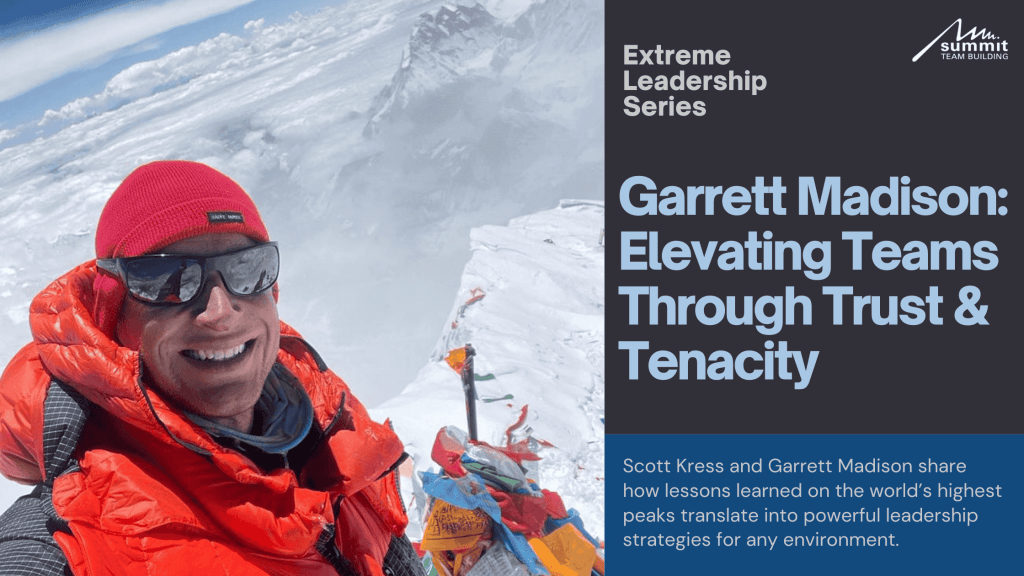
Leadership Lessons from High Altitudes: Insights from Garrett Madison
In high-altitude mountaineering, success depends as much on leadership and teamwork as on skill and endurance. Few understand this better than Garrett Madison, founder of Madison Mountaineering. With years of experience guiding climbers up some of the world’s most formidable peaks, Madison exemplifies qualities that define effective leadership, both on the mountain and off. This post explores his journey and distills key takeaways on leading, collaborating, and thriving in the most extreme conditions.
Garrett Madison: A Journey to the Summit
Raised in Seattle, Washington, Garrett Madison first fell in love with mountaineering among the mist-shrouded peaks of the Pacific Northwest. Childhood summers spent hiking and camping with his father laid a strong foundation for his future pursuits. His passion took root during an ascent of Mount Rainier—a challenge that revealed not just a love for scaling heights, but a talent for guiding others.
Over time, Madison honed his expertise, transitioning from apprentice guide to a seasoned professional leading multiple expeditions. He has stood on Mount Rainier’s summit over 200 times and reached the top of Everest 17 times, in addition to guiding teams on legendary peaks such as K2. Yet it’s not just his climbing résumé that sets him apart; it’s his unwavering dedication to helping others safely achieve their aspirations and appreciate the grandeur of the mountains.
Watch the Interview: Garrett Madison Shares His Insights
In the video below, Garrett Madison discusses his approach to high-altitude leadership, the importance of teamwork, and how he overcomes the formidable challenges climbers face on the world’s highest peaks. Listen to his firsthand accounts and discover how his lessons can inspire leaders in any field.
Defining Leadership in Mountaineering
For Madison, effective leadership in the high-altitude environment goes beyond technical expertise. While a deep understanding of terrain, weather patterns, and safety protocols is crucial, so too are empathy, flexibility, and emotional intelligence. Leaders must read their teams—assessing each climber’s physical condition, morale, and mental readiness—then adapt plans accordingly.
In these environments, successful leaders know when to push forward and when to hold back. They balance risk assessment with encouragement, ensuring everyone feels heard, supported, and motivated. This blend of skill and character unites a team in the pursuit of a shared goal: to summit safely and savor the journey together.
A Spiritual Connection to the Mountains
To Madison, mountains aren’t merely obstacles to conquer; they are sacred spaces steeped in cultural significance and natural beauty. Reaching the summit of Everest, for example, is not only a physical triumph but a spiritual experience—one where he feels deeply connected to the mountain’s energy and history.
This respect extends to the communities that call these heights home. Sherpa culture regards Everest as “the mother goddess of the earth,” a viewpoint Madison embraces. By honoring these traditions, leaders enrich the climbing experience, transforming it from a purely physical endeavor into a journey that fosters cultural understanding and reverence for nature.
Team Dynamics: The Heart of Successful Expeditions
For Madison, the cornerstone of any successful expedition is teamwork. While elite fitness and technical proficiency matter, it’s the bonds between climbers that often determine whether a summit attempt succeeds. Madison believes in building a cohesive group well before setting foot on the mountain, ensuring everyone aligns with shared objectives and values.
He recalls moments when fatigue threatened to halt progress—when every step felt like a battle against thin air and weary muscles. At those times, a teammate’s encouraging word or offer of assistance can mean the difference between pushing on or turning back. This mutual support is more than a nicety; it’s a lifeline that keeps the team moving forward toward their common goal.
Navigating Challenges and Change
High-altitude environments are in constant flux, often forcing last-minute route changes or strategy shifts. Madison has encountered sudden storms and even natural disasters—such as the 2015 earthquake in Nepal—that demanded immediate recalibration. In these situations, leaders must remain calm, resourceful, and open to the insights of others.
Collaboration is key. During unforeseen crises, expedition leaders band together, share expertise, and devise new solutions. This collective approach ensures that even when the path ahead is uncertain, the team’s combined experience and adaptability guide them safely forward.
Resilience in the Face of Adversity
Resilience stands at the heart of Madison’s leadership philosophy. He encourages climbers to focus on immediate, manageable actions—adjusting their pacing, breathing, or equipment—rather than becoming overwhelmed by the enormity of the task. Clear communication and steady morale help guide teams through their toughest moments.
By highlighting incremental progress and celebrating small victories, Madison demonstrates how resilience transforms adversity into an opportunity for growth. The team learns not only to endure hardship but to emerge stronger and more confident in their collective abilities.
Advice for Aspiring Climbers
For those looking to follow in Madison’s footsteps, the path to high-altitude success begins at lower elevations. He recommends starting with local hikes and backpacking trips, gradually building endurance, technical know-how, and self-reliance. Patience is vital: a gradual progression allows climbers to fully appreciate the journey and develop the skills needed for the world’s highest peaks.
Final Thoughts: Leadership Lessons from the Peaks
Garrett Madison’s experiences remind us that great leadership transcends specific activities or industries. Expertise, adaptability, empathy, and a supportive team dynamic form the bedrock of success, whether you’re facing the highest summits on Earth or leading through challenges in business, governance, or daily life.
Ultimately, leadership is about guiding others to reach new heights, both literal and metaphorical. By applying Madison’s insights—embracing the spiritual dimension of the endeavor, forging strong team bonds, and demonstrating resilience in adversity—you can cultivate a shared sense of purpose and unlock potential that goes far beyond any single summit.
Interested in Creating Your Own Extreme Leadership Team?
Scott offers a series of Keynote presentations and workshops on team building. Here’s a quick video of Scott in action! Contact us to explore this further.
About The Extreme Leadership Series
The Extreme Leadership Series is a dynamic exploration of leadership through the lens of extraordinary situations. Hosted by Scott Kress, it features a mix of engaging podcasts and insightful written interviews with leaders who have thrived in some of the world’s most demanding environments. From the icy wilderness of polar regions to the towering summits of the highest mountains, guests share their stories of resilience, teamwork, and courage.
This series goes beyond mere adventure tales; it delves into the core principles of effective leadership such as preparation, adaptability, and the ability to cultivate high-performance teams. It offers valuable lessons for leaders in any field, aiming to educate, inspire, and equip listeners and readers with the tools to lead under pressure.
Whether you’re an emerging leader seeking motivation, an experienced executive aiming to enhance your skills, or simply intrigued by the intersection of leadership and extreme challenges, the Extreme Leadership Series provides a unique perspective on navigating adversity and achieving success. Join Scott Kress on this journey to uncover what it takes to lead in the most unforgiving circumstances, where every decision can make a difference.